
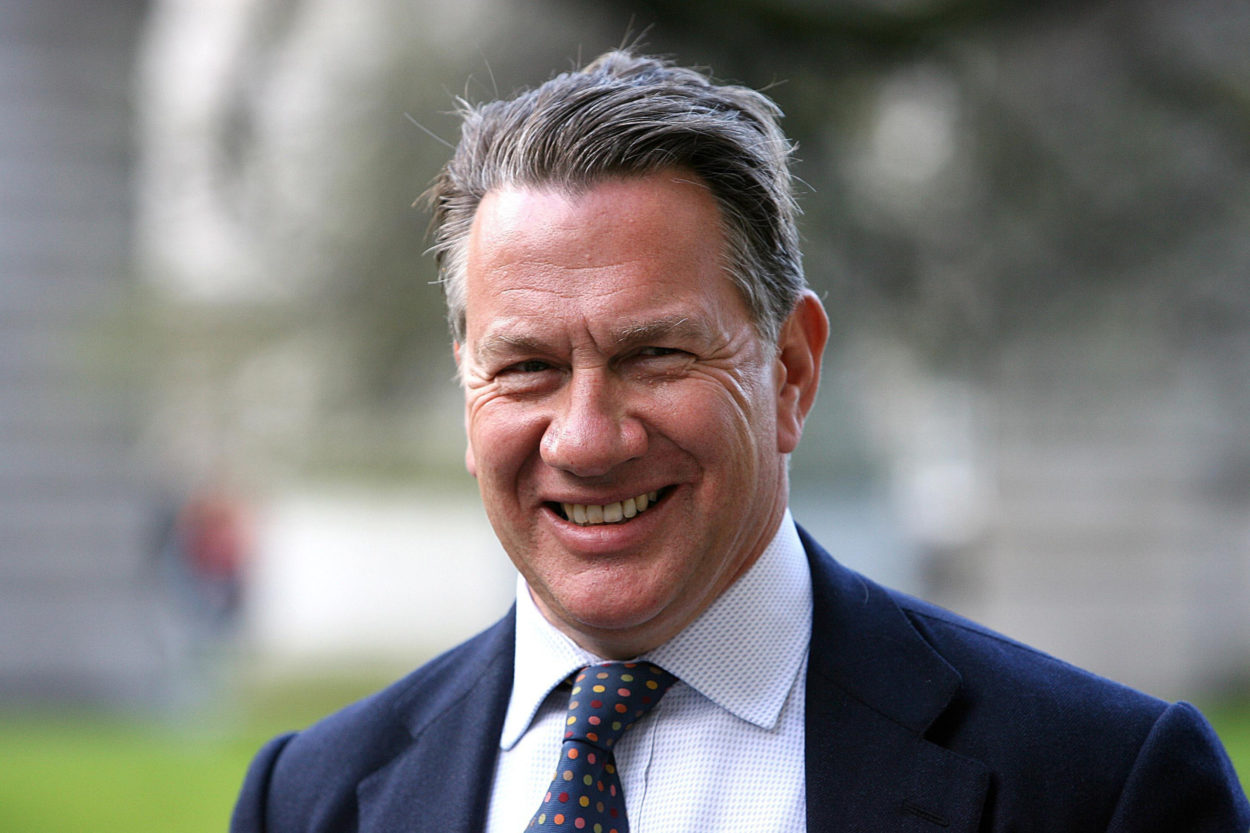

Who Is Michael Portillo?
Michael Portillo is a public figure who has changed his career path in a very interesting way. He spent twenty years working in the government in Westminster holding some very important positions before he decided to leave politics almost completely. Nowadays most people know Michael Portillo for traveling around Britain and Europe with a railway guidebook not for his time in the government. This change from being a politician to a television presenter is what makes his story so fascinating. Michael Portillo was born in London in 1953. His father was from Spain. He had to leave the country during the civil war and his mother was from Scotland.
Early Life and Family Background
Michael Portillo’s childhood was fairly normal compared to kids who grew up to work in Westminster. He spent time in London and in a household that was influenced by his family’s roots. His fathers experience as a refugee had an impact on him and he has talked about it in interviews. His family valued education highly which encouraged him to attend grammar school and then university. At that time no one could have guessed that he would one day host one of the BBC’s popular documentary series.
Education and Path Into Politics
After finishing his history degree Michael Portillo did not immediately go into broadcasting or journalism. Instead he took a traditional path into working in Westminster by working as a government adviser before running for office himself. This early experience gave him an understanding of how the government works. This background would later make his comments on politics seem more realistic than just theoretical.
A Career Built in Westminster
Michael Portillo’s rise in politics happened quickly after he entered Parliament in 1984. Within ten years he had worked his way up to important roles and eventually became a part of the cabinet under a sitting prime minister. He built a reputation as a supporter of free-market conservatism and he was not afraid to argue for smaller government and lower spending. This reputation made him a known face beyond his own constituency.
Rise Through the Party Ranks
Michael Portillo started as a minister and steadily moved up taking on responsibilities in local government, transport and eventually the Treasury. By 1992 he had become the Chief Secretary to the Treasury a role that put him in charge of some of the spending decisions in the government. His colleagues at the time noticed his understanding of details and his willingness to make unpopular decisions when necessary. This period cemented his image as a rising star in the party.
Time as Defence Secretary
Michael Portillo’s senior role in the government came when he was appointed Secretary of State for Defence in 1995. He held this position for two years overseeing policy during a time of significant change after the Cold War. This role was widely seen as one of the important jobs in the cabinet and placed him among the most influential people in the country at the time. Many people thought this role was preparing him for a future leadership bid.
The Fall From Grace
Michael Portillo’s career took an unexpected turn in the 1997 general election when he surprisingly lost his seat to an opposition candidate. This result became one of the talked-about moments in modern British election history and was replayed on television for years. He returned to Parliament briefly in 1999 through a by-election. He never regained the momentum he once had. By 2005 he had stepped away from frontline politics for good.
Moving Into Broadcasting
Leaving politics did not mean leaving life behind for Michael Portillo. He had already tried his hand at television during a break from Parliament in the 1990s presenting a documentary that explored his own political journey. This early experience gave him a taste for storytelling outside the political format. Once he left Westminster permanently broadcasting quickly became his focus.
First Steps Into Television
Michael Portillo’s presenting work relied heavily on his political background exploring how government decisions affect everyday life. Audiences responded well to his curious style, which felt very different from the guarded persona often associated with politicians. Producers noticed this too. It opened the door to bigger documentary opportunities. Within a year he had fully transitioned into a media career.
Finding a New Audience
What made this shift work for Michael Portillo was not his name recognition but his genuine curiosity about history and places. Viewers who were not interested in politics still found themselves drawn to his travel documentaries. This crossover appeal is rare for politicians, most of whom struggle to shed their old image. Michael Portillo managed to build a new audience almost from scratch.
The Railway Journeys That Made Him Famous
Nothing defines Michael Portillo’s public image more than his railway travel series. Using a guidebook as his starting point he set out to explore how Britain’s rail network shaped the towns and cities it passed through. The format was simple. The execution turned it into must-see viewing for millions of BBC audiences. It remains one of the long-running travel documentary formats on British television.
The Bradshaws Guide Concept
The idea behind the series was to follow a 19th-century travel guide written by George Bradshaw using it as a lens to compare past and present. Each episode traces a stretch of railway line stopping at towns to explore their history, industry and culture. This structure gave the show a sense of purpose beyond scenic views. It also tied neatly back to his history degree letting him explain rather context than simply narrate it.
Expanding Beyond Britain
The format proved so popular that it expanded into European and even American versions each following a different historical guidebook. These spin-offs let Michael Portillo explore railway networks across the continent and further afield widening the scope of the storytelling. Fans of the series followed him into these new formats without much hesitation. It turned what started as a show into a broader travel documentary brand.
Coastal and Regional Spin-Offs
Beyond the format additional series focused specifically on coastal towns and lesser-known regional routes. These spin-offs kept the investigative historical tone while shifting the geographic focus. Viewers who enjoyed the series found these new formats just as satisfying. It showed that the appeal was not tied to one route but to Michael Portillo’s overall presenting style.
What Sets His On-Screen Style Apart
Part of the appeal comes down to how Michael Portillo presents himself on camera. He is not scripted in the documentary sense often appearing to genuinely enjoy discovering things alongside the viewer. That authenticity is hard to fake. Audiences tend to notice when it is missing from other presenters. It is a reason the format has stayed fresh across so many seasons.
The Colourful Jackets
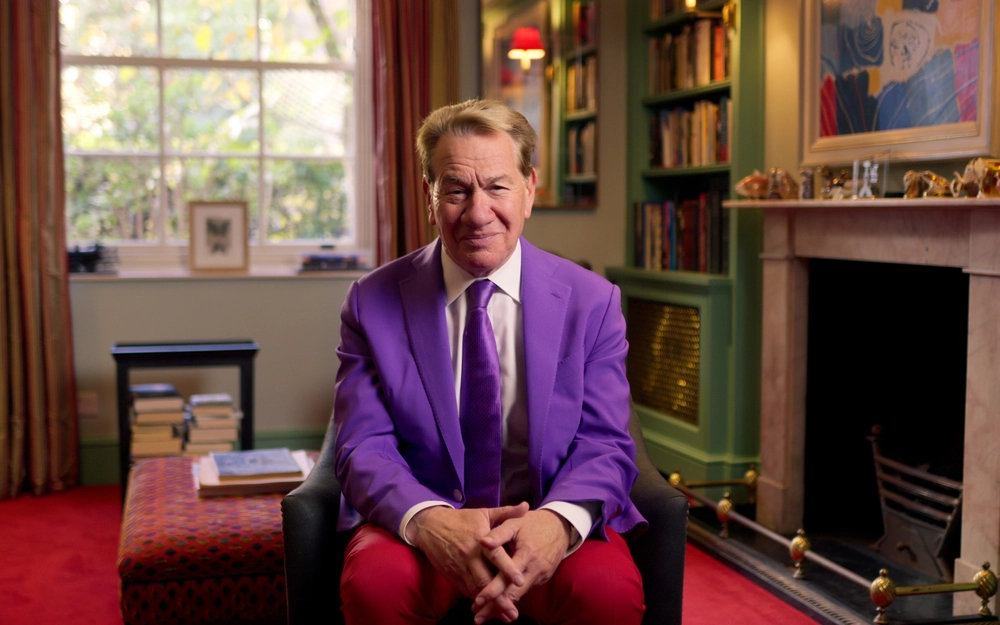
One detail people bring up constantly is Michael Portillo’s choice of often unusual jackets during filming. What started as a way to stand out on screen became something of a signature look over time. Fans now half-expect a color choice in every new episode and it has become a minor talking point in its own right. It is a detail but it adds personality to what could otherwise be a fairly quiet travel format.
A Presenting Approach Built on Curiosity
than lecturing viewers Michael Portillo tends to ask questions and let local experts do much of the explaining. This approach makes each episode feel like a conversation rather than a formal history lesson. It also keeps the pacing relaxed which suits the rhythm of rail travel itself. That combination of curiosity and patience has become the defining feature of his presenting career.
Life From the Cameras
Away from filming schedules Michael Portillo tends to keep a fairly private personal life compared to his public broadcasting persona. He has been married for decades and his wife has built her own separate career outside the entertainment industry. He has also spoken openly at times about aspects of his history that were not widely known during his political years. That openness has in some ways made him more relatable to an audience.
Family and Relationships
Michael Portillo married in the 1980s and the relationship has remained a stable part of his life through both his political and broadcasting careers. Unlike public figures he rarely brings his family into the spotlight preferring to keep that side of life separate from his television work. This has helped him maintain a sense of life despite decades in the public eye. It also reflects a pattern of restraint that has followed him since leaving frontline politics.
How Public Perception Has Shifted
The public image built during Michael Portillo’s years was quite different from how audiences see him now. Where he was once viewed as a sometimes divisive political figure he is now generally regarded as warm and approachable. That shift did not happen overnight. Years of consistent likable television appearances gradually changed how people talked about him. It is an example of a full image transformation playing out in public.
Recognition and Lasting Influence
Years of broadcasting work have earned Michael Portillo a loyal following that spans multiple generations of viewers. His documentaries are often praised not for entertainment value but for genuinely teaching viewers something about history and geography. That educational angle has helped the format age well unlike travel shows that rely purely on scenery. It is also why broadcasters have kept commissioning seasons for so many years.
Standing Within British Broadcasting
Within the industry Michael Portillo is often held up as an example of how a factual travel format can stay relevant without needing gimmicks. Other presenters and producers have pointed to his shows as a template for informative television that still holds an audience. That kind of respect from peers tends to matter more than short-term ratings spikes. It has helped cement his reputation beyond casual viewers.
Influence on the Travel Documentary Genre
His success has probably encouraged other people to make travel shows that are more about history on British television. People who make television shows often look at his series and say that it is proof that you can make a show that is both educational and fun to watch for a long time. His influence is not just limited to his shows it has also changed the way that other people make documentaries today. Not many people can say that they have had such an impact on a whole type of documentary.
Financial Career Earnings
We do not know how much money he has but he has been working in important government jobs and then in television for a long time so he is probably pretty comfortable financially. The money he earned from being in the government combined with the money he has made from television has probably added up to a lot over time. He also gets paid to give talks, which is something that a lot of former politicians do to make extra money. We do not know the figures but it seems like he is doing okay for himself.
Current Projects and Public Appearances
He is still making episodes of his train documentaries even after all these years and he does not seem to be slowing down at all. He also gives talks. Michael Portillo shares his thoughts on politics and travel with people who come to see him. Sometimes he even talks about what’s going on in the world right now using the experience he gained from working in the government. This means that he is still visible in the public eye but not so much that it gets annoying.
Recent and Upcoming Work
The new episodes of his train show are still exploring places in Britain and Europe so the show does not get boring. The people who make the show have also been trying out ideas, which gives people who have been watching for a long time something new to look forward to. He has been making content for over a decade since he stopped working in politics, which shows that people are still interested in what he has to say.
Speaking Engagements and Interviews
When he is not making television shows he is still a choice for people who want to hire someone to give a talk at their event. This is because he has a combination of experience in politics and television. People who come to see him talk often get to hear stories about his travels and what it was like to work in the government. This is not something that you can hear from anyone, which is why people still want to hear him talk. It is another example of how his two careers have come together in a way that works really well.
Conclusion
Michael Portillo is a special person who has done something that not many people can do. He has had two different careers and he has been very successful in both of them. Michael Portillo went from being a cabinet member to becoming a well-known face on British television. The thing that connects both of these careers is that Michael Portillo is really curious about people and places and history. You can see this when you watch him on television. Whether you knew Michael Portillo from his time in Westminster or from watching him on a train his current work has given him a legacy that’s much bigger than just politics.
FAQs
What is Michael Portillo best known for now?
Michael Portillo is best known for hosting documentaries about travelling by train and looking at guidebooks to learn about Britain and Europe.
2. Did he hold a senior government position before becoming a presenter?
Yes, Michael Portillo was the Defence Secretary. He had several other big jobs in the cabinet during his time in politics.
Why does Michael Portillo wear coloured jackets on his television shows?
The bright colours help Michael Portillo stand out when you are watching him on television. They are a big part of who he is as a presenter.
Is Michael Portillo still working on television?
Yes, Michael Portillo is still making episodes of his documentary series, about travelling.
What did Michael Portillo study before he became a politician?
Michael Portillo studied history at Cambridge before he worked as a government adviser and then became a member of Parliament.
